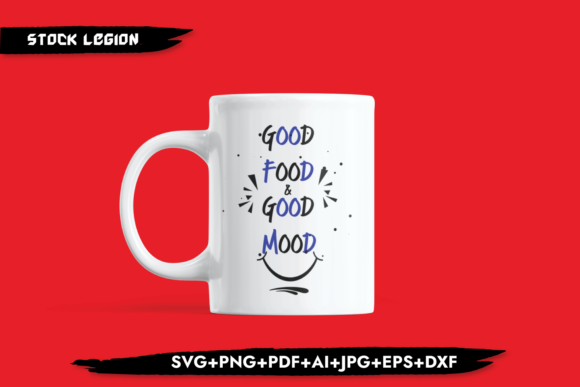
Good Food Good Mood Graphics and Crafts
As a brand designer and content marketer, I always look for creative design elements that can elevate a campaign without overwhelming the audience. Good Food Good Mood is one such graphic design asset that brings warmth, positivity, and visual appeal to any project. With its focus on food-related imagery and motivational quotes, it’s ideal for small business branding, lifestyle content, and digital product visuals.
The First Impression: A Warm and Inviting Visual Tone
Good Food Good Mood immediately evokes a sense of comfort and joy. The design uses soft curves, gentle typography, and food-related illustrations that feel approachable and relatable. This makes it perfect for brands targeting health-conscious consumers, food lovers, or anyone looking to create a welcoming brand identity. The mood it creates is friendly, encouraging, and visually engaging—ideal for casual branding or lifestyle content.
It’s not just about aesthetics; the emotional tone of Good Food Good Mood can influence how an audience perceives a brand. A positive, warm visual style can build trust and make a brand more memorable. Whether used in social media graphics or email banners, it helps create a consistent and inviting brand experience.
Good Food Good Mood in Real Marketing Situations
When it comes to practical applications, Good Food Good Mood shines in several areas. It works well as a background element for blog graphics, website headers, or Canva templates. Its clean lines and high-quality design make it suitable for packaging design, product labels, or even printable promotions. The 6×6 inch, 300 DPI transparent files ensure that it looks sharp in both digital and print formats.
For social media marketers, this asset can be a powerful tool in creating cohesive Instagram posts, Pinterest pins, or Facebook ads. It adds a professional touch without cluttering the layout. When paired with strong copy or a clear call-to-action, it enhances the overall visual hierarchy and makes the message more impactful.
Good Food Good Mood also fits into editorial design, lead magnets, and media kits. Its versatility allows it to be used across different platforms, making it a valuable addition to a content creator’s toolkit. Whether you’re building a content kit or designing packaging inserts, this graphic design asset provides a consistent and appealing visual language.
Supporting Marketing Goals with Good Food Good Mood
One of the key benefits of Good Food Good Mood is its ability to strengthen a brand’s first impression. A well-designed visual can capture attention and set the tone for the entire campaign. When used effectively, it contributes to a stronger visual hierarchy, clearer brand messaging, and a more professional appearance.
For small business owners, this asset can help establish a recognizable brand identity. It supports consistent branding across multiple channels, which is essential for building audience trust and recognition. Whether it’s used in digital ads, email campaigns, or event flyers, it reinforces the brand’s personality and values.
Good Food Good Mood also encourages emotional connection. The warm and inviting style resonates with audiences who value authenticity and positivity. This makes it ideal for content marketing efforts that aim to engage and inspire rather than just sell.
Where Good Food Good Mood Works Best
This design asset excels in hero graphics, campaign headers, and product launch visuals. It can serve as a strong focal point in social media covers or promotional banners. As part of a design bundle, it adds value to content kits, brand templates, and printable promotions.
It also works well in editorial layouts, where a visually appealing background can enhance the overall reading experience. For event promotions or seasonal offers, it adds a touch of creativity and professionalism that aligns with the theme.
Good Food Good Mood is particularly effective when used as a decorative brand element. It can add subtle flair to packaging accents, merchandise, or stickers without overpowering the main message.
Where to Use Good Food Good Mood Carefully
While Good Food Good Mood is versatile, it may not be the best choice for formal corporate branding. Its casual and playful style might not align with a more serious or traditional brand image. Similarly, it should be used with caution in dense information layouts where clarity is crucial.
In small mobile graphics, the design may appear too busy or lose detail. It’s important to test it on different screen sizes to ensure readability. Low-contrast backgrounds can also affect its visibility, so careful placement is necessary.
For overly minimal brands or text-heavy ads, this asset could compete with the main message. It’s best to use it as a supporting element rather than the central focus. When working with competitor visuals, it’s wise to compare designs to ensure uniqueness and effectiveness.
Practical Brand Designer Notes
Before using Good Food Good Mood in a campaign, it’s essential to test it with your brand’s color palette. Ensure that the design complements your existing visuals and doesn’t clash with your brand identity. Check how it looks in black and white, as this can reveal hidden issues with contrast or detail.
Place it inside real campaign mockups to see how it interacts with other elements. Preview it on mobile screens to confirm that it remains legible and visually appealing at smaller sizes. Compare it against competitor visuals to ensure that your design stands out while maintaining a professional look.
Consider how it pairs with different font styles. Whether you’re using a serif, sans serif, script, or display font, the design should balance well with the typography. Review spacing and alignment to ensure that the overall composition feels harmonious and intentional.
Finally, confirm that the commercial license allows for use in paid campaigns, client work, or business branding. This ensures that you can confidently incorporate Good Food Good Mood into your projects without legal concerns.