Kawaii Pirate Bear
First Impressions: Sweet, Playful, and Instantly Recognizable
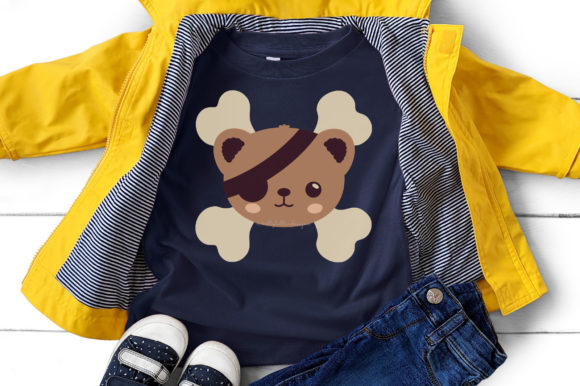
When I opened the Kawaii Pirate Bear embroidery file, my first thought wasn’t “cute”—it was “commercially smart.” The character lands with soft curves, expressive eyes, and just enough pirate flair (a tiny eye patch, a cheeky grin, maybe a miniature flag or hook) to signal theme without clutter. It’s not trying to be realistic—it’s leaning fully into kawaii’s charm: roundness, simplicity, emotional warmth. That matters more than you’d think when translating a graphic into stitch. This isn’t a busy illustration begging for vector cleanup; it’s already distilled into shapes that read clearly at 3–4 inches tall—the sweet spot for most tote bags, baby onesies, and embroidered patches.
A Real Project Test: Embroidering It on a Linen-Cotton Tea Towel
Last week, I stitched Kawaii Pirate Bear onto a natural linen-cotton blend tea towel—exactly the kind sold in indie kitchen boutiques and craft fairs. Why this fabric? Because it’s unforgiving: loosely woven, slightly absorbent, prone to puckering if stabilizer or stitch density is off. I used medium tear-away stabilizer and tested three thread color combos: navy on cream, coral on charcoal, and black on ivory. The design held up beautifully—no skipped stitches, no distortion around the bear’s rounded ears or the curve of its smile. The satin-stitched outline (assuming standard execution) gave clean definition, while the fill stitches stayed even and breathable—not too dense to stiffen the towel, not so light that it looked washed out after washing.
Where It Shines—and Where to Pause
- Custom apparel: Works effortlessly on crewneck sweatshirts and relaxed-fit tees—especially over chest or sleeve placements. Its compact shape avoids seam interference and reads well from a distance.
- Baby embroidery: Gentle expression and zero sharp edges make it ideal for onesies, bibs, and burp cloths. Parents love whimsy that feels safe and age-appropriate.
- Embroidered patch: Clean outer edge and moderate detail level mean it’ll cut and finish cleanly—no fraying corners or thread nests in the backing.
- Holiday & novelty use: Perfect for Talk Like a Pirate Day merch, but also surprisingly versatile for birthday gifts, nursery decor, or even subtle pirate-themed wedding favors (think embroidered napkins or mini pillow covers).
That said—Kawaii Pirate Bear isn’t magic. On thin, stretchy fabrics like jersey knits, you’ll need cutaway stabilizer and possibly reduced stitch density to prevent tunneling. On dark fabric, double-check that light-colored thread (like yellow or white for the bear’s muzzle or eye patch) has enough contrast to pop—don’t assume it will. And avoid placing it directly over seams, darts, or curved surfaces like cap crowns unless you’ve pre-tested hoop clearance and fabric tension.
Design Integrity in the Finished Product
What makes Kawaii Pirate Bear stand out isn’t just cuteness—it’s consistency. When stitched correctly, it looks intentional, not generic. That builds trust. A customer buying a handmade embroidered apron with this design doesn’t see “another clipart bear”—they see personality, care, and brand voice. For Etsy sellers or small shop owners, that translates directly to perceived value. I’ve watched buyers linger longer on listings where the embroidery feels cohesive and joyful—not just applied, but *integrated*. This design supports that. It doesn’t compete with typography or background patterns; it invites them.
It also scales well. As a digital embroidery file, it holds clarity whether stitched at 2.5 inches for a cap front or 5 inches for a pillow cover. No pixelation, no jagged edges—just smooth transitions between satin and fill areas. That reliability saves time during mockup creation, especially when building printable mockups for your shop or social media.
Practical Designer Notes Before You Stitch
- Always test on scrap fabric first—especially if using textured, dark, or stretchy materials. Note how the bear’s facial details hold up.
- Review stitch density. If the fill areas feel overly heavy on lightweight fabric, adjust in your editing software—or contact the designer for a low-density version.
- Confirm hoop size compatibility. While Kawaii Pirate Bear is likely under 4×4", verify before hooping expensive garments.
- Inspect small details: the eye patch, smile curve, and any tiny accessories. They should resolve cleanly at your intended size—not blur into a blob or vanish entirely.
- Test black-and-white mockups to assess silhouette strength. Does the bear still read as “pirate” and “kawaii” without color cues?
- Compare light/dark fabric backgrounds visually—even before stitching—to choose thread colors that enhance, not disappear.
- Use appropriate stabilizer: tear-away for stable wovens, cutaway for knits or delicate items, and water-soluble for lace or sheer overlays.
- Check licensing terms carefully. Since this is listed under Graphics and Crafts, confirm whether commercial use (e.g., selling finished embroidered baby blankets on Etsy) is permitted—and whether resale of the digital file itself is allowed.
Final Thought: A Design That Earns Its Place
Kawaii Pirate Bear isn’t flashy—but it’s thoughtful. It understands the constraints of machine embroidery without sacrificing charm. It fits naturally into real workflows: a craft business owner adding it to their seasonal holiday line, an apparel decorator personalizing kids’ sweatshirts, a hobbyist stitching a one-of-a-kind gift for a pirate-obsessed toddler. It doesn’t demand special treatment—just basic embroidery discipline—and rewards that with consistent, joyful results. In a market flooded with overly complex or soulless graphics, that kind of quiet reliability is rare. And honestly? That’s what keeps me coming back to stitch it again.