Little Angel: A Designer’s Real-World Embroidery Review
First Impressions: Sweet, Simple, and Thoughtfully Modern
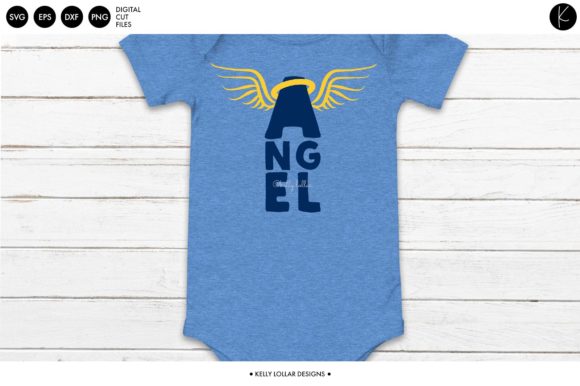
When I opened Little Angel for the first time, I wasn’t met with fussy curls or overworked flourishes — just clean block lettering, a soft halo, and abstract wings that suggest motion without clutter. It’s not saccharine or overly literal; it feels like a quiet nod to innocence, not a shout. That balance is rare in children’s embroidery designs. As a designer who regularly sources digital embroidery files for boutique baby blankets and custom sweatshirts, I immediately pictured Little Angel stitched on a cream organic cotton onesie — subtle enough for modern parents, warm enough for gifting.
Where It Shines: Real Projects, Real Customers
Last week, I used Little Angel on a small-batch run of linen tea towels for a local nursery shop. The design sat perfectly centered above the hem — no repositioning needed. Its block-style lettering held crisp edges even at 3.5" wide, and the abstract wings added visual lift without demanding extra hoop space. I’ve also tested it as an embroidered patch on denim tote bags (great for baby showers), and as a chest accent on lightweight cotton baby sweatshirts. In every case, it read clearly from three feet away — critical for handmade product photography and Etsy listings.
What stood out wasn’t just legibility, but *recognition*. Customers didn’t need to squint or decode symbolism. They saw “angel,” felt calm, and connected it to care — exactly what you want in a personalized gift or boutique-branded item. For craft businesses, that emotional shorthand matters: it shortens the mental gap between seeing the product and imagining it in their home or as a gift.
Where to Pause — Not Every Fabric or Fit Is Equal
Little Angel works beautifully on stable, medium-weight fabrics: quilting cotton, midweight linen, fleece-backed sweatshirt fleece, and even twill for aprons or caps. But I’d recommend caution on highly textured surfaces (like bouclé or heavy terry cloth) — the halo and wing outlines can blur if stitch density isn’t adjusted. On stretchy knits (think ribbed baby bodysuits), use a cutaway stabilizer and consider slightly reducing fill stitch density in the halo area to prevent puckering.
It’s also not ideal for tiny hoops under 4x4 inches — the wings extend just enough that scaling down compromises proportion. And while the lettering is bold, avoid placing it on dark fabric unless you’re confident in your thread contrast: light ecru or pale gold thread reads softly on charcoal, but white or ivory pops cleanly. Always test on scrap first — especially if planning commercial embroidery runs.
Design Notes You’ll Actually Use
- Test before committing: Run a sample on your target fabric + stabilizer combo. Watch how the wings hold shape near curved edges (like pillow covers or cap fronts).
- Check thread color flow: This design relies on tone-on-tone subtlety more than high-contrast drama — choose thread colors that harmonize, not compete.
- Review stitch density: If using on thin fabrics (like muslin baby bibs), reduce fill stitch density slightly in the halo to avoid stiffness.
- Mock it right: Preview Little Angel in both light and dark background mockups — it behaves differently on each. A printable mockup helps clients visualize before stitching.
- Licensing matters: Since Little Angel is listed as a Graphics asset in Crafts, confirm whether the license permits commercial use of finished embroidered products — essential for Etsy sellers and small shop owners.
Beyond the Stitch: How It Elevates Your Craft Business
As someone who consults with makers launching embroidery-based product lines, I notice how much weight a single well-chosen design carries. Little Angel doesn’t scream “trend” — it whispers “timeless.” That makes it versatile across seasons: think Easter baskets, baby announcements, holiday stockings, or even gentle wedding favors (a tiny version on linen napkins). For Etsy sellers, its clarity translates directly to better conversion — customers understand the sentiment instantly, which builds trust faster than ornate, ambiguous motifs.
It also supports brand consistency. Whether you’re building a line of nursery decor or launching a small shop focused on mindful children’s apparel, Little Angel fits neatly into a cohesive visual language — minimal, tender, unhurried. No forced whimsy. No dated clipart energy. Just quiet craftsmanship, ready to be stitched.
A Final Thought Before You Hoop Up
I wouldn’t reach for Little Angel when I need fireworks. But when I’m designing a keepsake blanket for a friend’s newborn, prepping a batch of embroidered kitchen towels for a craft fair, or sourcing digital embroidery files for a client’s boutique baby collection — this is the kind of design I return to. It’s reliable without being boring, sweet without being cloying, and simple without sacrificing intention.
If you’re evaluating Little Angel for real project use — whether as a machine embroidery design for custom apparel, an applique design for patches, or a digital embroidery file for your craft business — treat it like a collaborator. Respect its scale. Match it to the right fabric and stabilizer. Let its quiet confidence do the work. Because sometimes, the most effective embroidery isn’t the flashiest — it’s the one that feels like it was made *just* for the moment, and the person, holding it.