Sorry I Have to Walk My Unicorn Graphics and Crafts
As a brand designer with years of experience, I’ve seen countless graphic design assets come through my workflow. One that stood out recently was Sorry I Have to Walk My Unicorn. This whimsical unicorn quote design cut file offers more than just a cute image—it’s a versatile tool for small business branding, product packaging, and promotional material. Let’s dive into how this asset can elevate real local business projects.
The First Impression: Playful and Memorable
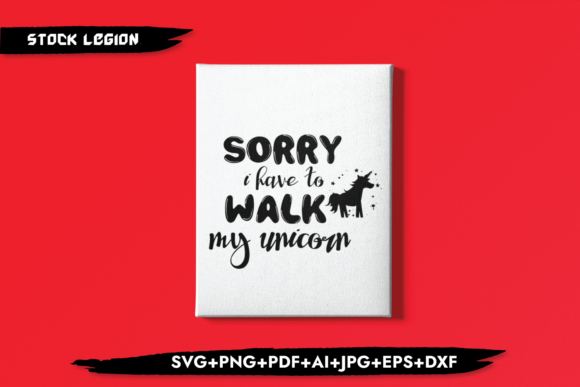
Sorry I Have to Walk My Unicorn immediately evokes a sense of fun and creativity. The design feels playful yet polished, making it ideal for brands that want to stand out without being overly serious. It suggests a brand personality that is approachable, imaginative, and slightly quirky—perfect for handmade businesses, boutique stores, or children’s products.
This visual has a soft, decorative quality that leans toward the feminine and festive. It doesn’t scream boldness, but it does offer a unique aesthetic that can differentiate a brand in a crowded market. Whether used on a coffee shop menu or a skincare label, it adds character without overwhelming the viewer.
Real-World Applications for Small Business Branding
One of the most valuable aspects of Sorry I Have to Walk My Unicorn is its adaptability. As a graphic design asset, it can be integrated into various elements of a local business’s identity. For example, a bakery could use it as a background on a printable design for custom cupcake boxes, while a florist might incorporate it into seasonal greeting cards or thank-you notes.
It also works well in product labels and packaging design. A handmade soap business could use it as an accent on a label, adding a touch of charm without distracting from essential information. In social media graphics, it can serve as a hero image for a campaign, helping to create a cohesive visual language across platforms.
For a boutique store, this design could appear on hang tags, stickers, or even as part of a larger editorial design for a seasonal promotion. Its versatility makes it a great addition to any creative marketplace asset collection.
Supporting Business Presentation and Customer Trust
When used thoughtfully, Sorry I Have to Walk My Unicorn can enhance a business’s professional presentation. Stronger first impressions are crucial for small businesses trying to build trust with customers. A well-designed product label or packaging can make a big difference in how a brand is perceived.
It also supports better product recognition. Consistent brand identity across all touchpoints helps customers remember and connect with a business. Whether it’s on a website banner or a flyer, the design reinforces the brand’s message and personality.
Improved visual hierarchy is another benefit. By using this asset strategically, a designer can guide the viewer’s eye toward key information, such as pricing or call-to-action text. It also contributes to more polished marketing visuals, which can increase customer engagement and loyalty.
Where It Works Best: Creative and Expressive Spaces
This design excels in areas where creativity and expression are valued. Product labels, especially for novelty items, can benefit from its whimsical nature. Packaging accents, like a sticker or a border, can add visual interest without overpowering the main design.
Hero graphics for social media campaigns or seasonal promotions are another strong use case. It can also be used in product mockups to showcase how a design might look on a real item, giving clients a clearer idea of the final result.
Thank-you cards, seasonal packaging, and boutique visuals are other areas where Sorry I Have to Walk My Unicorn shines. Its decorative appeal makes it ideal for creating a memorable customer experience.
Where to Use It Carefully: Simplicity and Clarity
While Sorry I Have to Walk My Unicorn is visually appealing, it may not be the best fit for every situation. In formal corporate branding, where minimalism and clarity are key, this design could feel out of place. Similarly, very small labels or crowded product packaging may not allow the asset to shine effectively.
In layouts with a lot of text, such as ingredient-heavy labels or legal information areas, it’s important to ensure the design doesn’t compete with the content. Low-contrast backgrounds or luxury minimalist brands may also find it too busy or ornate.
Designers should test the asset in different contexts before finalizing its use. Checking black and white versions, previewing it on small labels, and testing it with brand colors are all essential steps in the process.
Practical Designer Notes: Testing and Licensing
As a brand designer, I always recommend testing Sorry I Have to Walk My Unicorn on real packaging mockups. This helps visualize how it will look when printed and whether it meets the client’s expectations. It’s also important to check how it performs in black and white, as some printing processes may alter the appearance.
Previewing the design on small labels ensures it remains legible and effective at reduced sizes. Testing it alongside different font styles—serif, sans serif, script, handwritten, or display fonts—can help determine the best pairing for the brand’s overall look.
Before using this asset for client work or physical product sales, confirm that it comes with a commercial license. This ensures there are no legal issues down the line. Also, review the PNG transparency and inspect the SVG or vector files for editability, as these factors can impact the design’s flexibility.
Conclusion: A Unique Asset for Creative Businesses
Sorry I Have to Walk My Unicorn is more than just a cute graphic—it’s a practical tool for small business branding, product packaging, and promotional materials. Its playful yet professional aesthetic makes it suitable for a wide range of industries, from handmade businesses to food brands and boutique stores.
By understanding its strengths and limitations, designers can use this asset to enhance visual storytelling, build brand identity, and create memorable customer experiences. Whether used in social media graphics, packaging design, or printable inserts, it offers a fresh and engaging way to connect with audiences.