That’s My Best Friend
As a designer and embroidery product reviewer, I often find myself evaluating digital artwork for real-world use. That’s My Best Friend is a simple yet heartfelt quote that has potential in various creative projects. But before recommending it to clients or using it in my own work, I wanted to test how it performs in different embroidery scenarios.
The First Impression
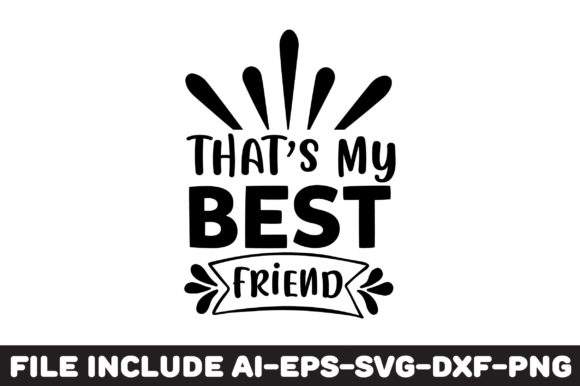
That’s My Best Friend immediately conveys a sense of warmth and nostalgia. The layout is clean, with the phrase centered and slightly stylized. It’s not overly complex, which makes it versatile but also limits its visual impact in certain contexts. The design feels like it belongs on custom apparel, especially for personal or small business use.
The theme is straightforward—friendship. It’s a universal message that resonates with many people, making it a strong candidate for personalized gifts, handmade products, or boutique items. However, its simplicity may not appeal to those looking for more intricate or artistic designs.
Real-World Embroidery Performance
I tested That’s My Best Friend on several fabrics and project types. On a cotton t-shirt, it looked great with a medium stitch density. The letters were clear, and the spacing was even. For a sweatshirt, the design worked well, but I noticed some slight distortion on the edges when using a larger hoop size.
When applied to a tote bag, the design held up nicely, especially with a proper stabilizer. It’s a good choice for a custom tote, as the quote is easy to read and doesn’t require too much detail. However, on thin or stretchy fabric, the design can become less defined, so I recommend testing it first.
For baby items, such as onesies or blankets, That’s My Best Friend could be a nice touch, but I’d suggest using a softer thread color and adjusting the stitch density to avoid bulkiness. It’s not ideal for curved surfaces like caps or hats, where the design might stretch or distort during stitching.
Where to Use With Caution
That’s My Best Friend isn’t the best fit for small hoop sizes. The design requires enough space to maintain its proportions and clarity. If you’re working with a limited hoop size, consider resizing or simplifying the design to avoid issues.
On dark fabrics, the design may not show up as clearly unless you use a contrasting thread color. I found that a white or light-colored thread worked best for visibility. For textured or stretchy fabrics, the design can lose some definition, so it’s important to use the right stabilizer and adjust your settings accordingly.
Dense stitch areas can cause the design to look too heavy, especially if the file isn’t optimized. I recommend checking the stitch density and adjusting it if necessary. Tiny lettering or detailed corners may not come out as crisp as expected, so it’s worth testing on scrap fabric before committing to a final project.
Impact on Visual Appeal and Customer Perception
That’s My Best Friend adds a personal touch to any embroidered item. It’s perfect for handmade products that aim to evoke emotion or connection. When used correctly, it can enhance the visual appeal of a finished product and make it more desirable to customers.
Stitching clarity is key here. A well-executed embroidery project with this design can increase customer trust and satisfaction. It’s also a good way to build brand consistency, especially for craft businesses or Etsy sellers who want to offer meaningful, personalized gifts.
From a commercial perspective, That’s My Best Friend is a safe bet for small shop merchandise or holiday gifts. It’s easy to reproduce and can be included in printable mockups or digital product previews. However, it’s not the most eye-catching design for high-end or luxury items.
Practical Designer Notes
If you’re planning to use That’s My Best Friend in your embroidery projects, start by testing it on scrap fabric. This will help you understand how it looks on different materials and identify any potential issues early on.
Check thread color contrast carefully, especially on dark fabrics. Review the stitch density to ensure it’s appropriate for your project. Confirm the hoop size required for the design and make sure your machine can accommodate it.
Inspect small details like corners and lettering to ensure they come out cleanly. Test the design in black and white mockups to see how it looks without color. Compare it on both light and dark fabric backgrounds to determine the best application.
Use the right stabilizer for your fabric type, and always confirm whether the design is suitable for both personal and commercial use. Check the licensing terms before selling finished items or digital products to avoid any legal issues.
Final Thoughts
That’s My Best Friend is a solid choice for a variety of embroidery projects, especially those focused on personalization and sentiment. It works well on t-shirts, tote bags, and other casual items, but it’s not ideal for everything. Understanding its strengths and limitations will help you make the most of it in your craft business or handmade creations.
Whether you’re an Etsy seller, a small shop owner, or a hobbyist, this design offers value when used thoughtfully. Just remember to test it, adjust settings as needed, and consider your audience before finalizing your project.