The Future of Alaska Is in My Classroom
A Teacher’s Heart, Stitched with Intention
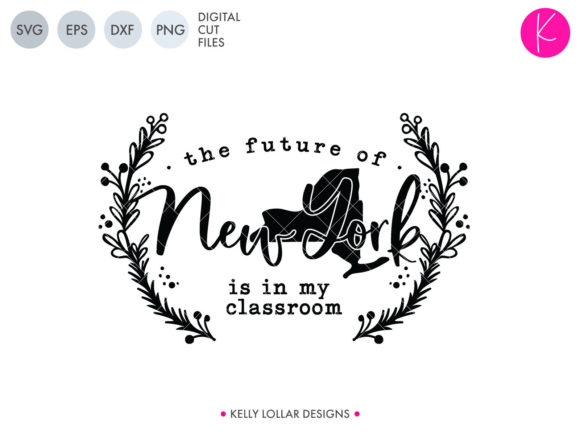
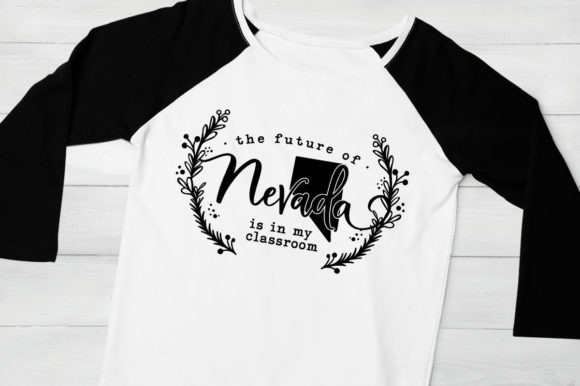
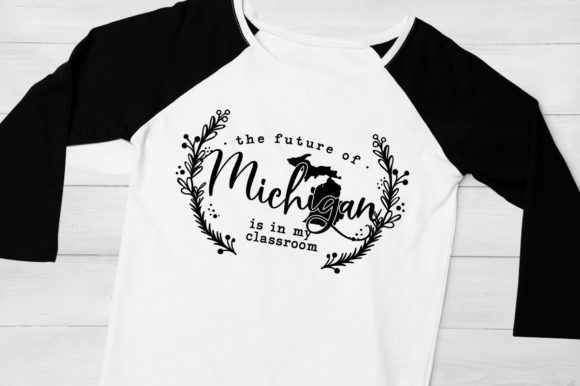
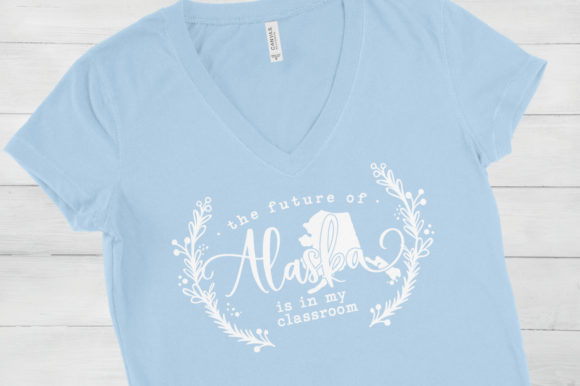
When I first opened The Future of Alaska is in My Classroom, I didn’t just see a quote—I saw a classroom wall, a teacher’s coffee mug, the soft curve of a baby onesie folded on a boutique shelf. It’s warm, grounded, and quietly proud—not flashy, but full of presence. The floral border isn’t fussy; it’s generous and rhythmic, framing the text like a well-loved storybook illustration. As an embroidery designer who’s stitched hundreds of teacher-themed pieces for schools, craft fairs, and Etsy shops, I immediately asked: *Does this hold up under needle and thread—or does it fall apart when translated from screen to stitch?*
Real-Life Test: A Hand-Embroidered Tote for a Juneau School Fundraiser
Last month, I used The Future of Alaska is in My Classroom on a natural canvas tote for a local elementary school fundraiser. We chose medium-weight cotton duck—sturdy, breathable, and ideal for satin-stitch borders—but not so stiff that it fights the hoop. I ran a quick test on scrap fabric first (non-negotiable). The floral elements held their shape beautifully: petals read clearly at 3.5" wide, and the lettering—set in a clean, slightly rounded sans-serif—didn’t collapse or blur, even at 2.75" height. No tiny serifs or fragile connectors to snag. That matters. On a busy craft fair table, customers don’t squint—they connect. And they did: teachers paused, smiled, pointed to the “Alaska” part, then said, “That’s *us*.” That kind of resonance isn’t accidental—it’s built into the design’s pacing and spacing.
Where It Shines—and Where It Needs Thought
The Future of Alaska is in My Classroom excels in projects where warmth and authenticity lead: embroidered sweatshirt cuffs, pillow covers for nursery decor, tea towels for teacher appreciation week, or small-batch patches sewn onto denim aprons. Its balanced proportions mean it scales down to a 3" hoop without losing legibility—ideal for baby embroidery on onesies or bibs. As a machine embroidery design, it leans into fill stitch and satin stitch rather than dense running stitch, which helps it breathe on knit fabrics like cotton-jersey tees or lightweight fleece.
But here’s where attention matters: avoid it on highly textured fabrics (like bouclé or heavy terry cloth) unless you double-stabilize. The floral border has gentle curves—not sharp angles—so it flows well over seams and gentle contours (think curved hem of a cap or side seam of a tote), but I wouldn’t push it onto a structured baseball cap front without testing hoop tension and stitch density first. Also, on dark fabric, confirm your thread colors offer enough contrast—especially in the inner floral details. A light ecru or oatmeal thread may vanish against navy or charcoal unless paired with a crisp white outline or underlay.
Design Assets That Earn Their Place in Your Library
This isn’t just another digital embroidery file to file and forget. The Future of Alaska is in My Classroom works as both a standalone statement and a flexible design asset. I’ve layered it beneath a simple “2024–2025” date stamp for custom faculty welcome kits, and paired it with a subtle mountain silhouette (added separately) for holiday gift sets. Because the layout is open—not cramped—the text leaves room for personalization: initials, school name, or year can nest cleanly above or below without disrupting balance. That flexibility makes it valuable for Etsy sellers, small shop products, and craft business owners who rely on repeatable, emotionally resonant themes.
What Customers Actually Notice (and Why It Builds Trust)
In handmade product markets, people buy feeling—not features. When a customer sees The Future of Alaska is in My Classroom stitched cleanly on a linen pillow cover, they don’t calculate stitch count. They feel recognition. They sense care. That translates directly to perceived value: a $38 embroidered tote sells faster than a $28 one with generic script, because this design says, “I know who you are.” For personalized gifts and custom apparel, that specificity builds trust. Teachers share photos online—not of the stitching, but of themselves holding the item, smiling, wearing it proudly. That organic engagement? It starts with choosing designs like this one: human-scaled, culturally rooted, and technically sound.
Practical Notes Before You Stitch
- Always test on scrap fabric matching your final project’s weight and weave—especially if using stretchy or thin fabric.
- Check stitch density: if the floral fill feels too heavy for your fabric, adjust underlay or reduce density slightly—don’t skip stabilizer.
- Confirm hoop size compatibility before digitizing or purchasing—some versions may be optimized for 4x4, others for 5x7.
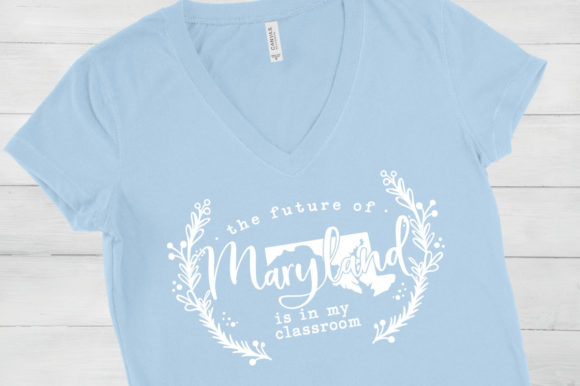
- Inspect small details in black-and-white mockups: how does it read on dark fabric vs. light? Does the “A” in Alaska stay distinct?
- Verify licensing: if selling finished items or bundling as digital embroidery files, ensure commercial use is permitted. This falls under Crafts and Graphics, but terms vary by seller.
- For applique design adaptation, the floral border lends itself well to raw-edge or turned-edge techniques—just mind seam allowances.
Final Thought: Not Just a Quote—A Quiet Anchor
The Future of Alaska is in My Classroom doesn’t shout. It settles. That’s its strength—and why it’s earned space in my active design folder, not just my archive. It works for holiday embroidery, baby embroidery, commercial embroidery jobs, and heartfelt personalized gifts. It respects the craft, honors the wearer, and stitches true. In a market flooded with fast, forgettable graphics, this one stays. And in embroidery—where every stitch is a decision—that’s the highest compliment I can give.